Why Micro-Drama Apps Quietly Run on the Web
The app-store tax pushed vertical drama into the browser. The delivery bill followed it there.


Ask anyone what a micro-drama company is and you’ll hear the word “app”. ReelShort is an app. DramaBox is an app. I say it too.
This morning I sat in Meta’s Ad Library (opens in a new tab) for an hour and checked where six of these platforms actually send the traffic they pay for. I went in expecting app store links. Not so fast. The biggest player in my sample does exactly what you’d expect: every ad, straight to Google Play, no detour. The rest got unexpected fast.
Landing pages on domains the platforms own, holding one poster and one button. A campaign that went live this morning dropped me into a full web player that started streaming free episodes in my browser before I’d clicked anything but the ad. (Also, one of the series is about a woman reborn as a black peacock who hatches a phoenix egg on mate-selection day. Different newsletter.)
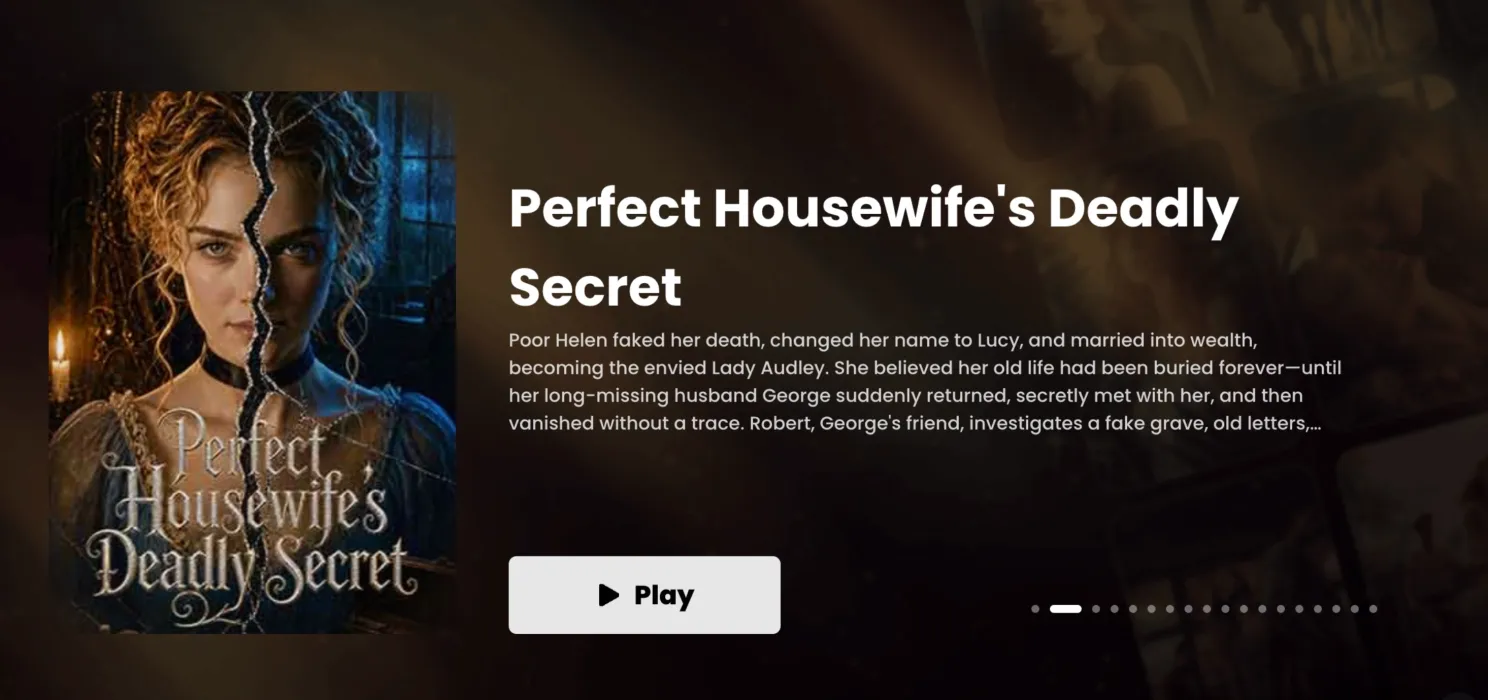
Then there’s the subdomains. Two of the biggest platforms in the category, direct competitors, both host their ad landing pages on a subdomain called w2a. Web to app. A third calls its landing domain h5, which is growth-team shorthand for the web version. When competitors independently name their infrastructure after the same strategy, it’s a playbook.
Why build all this web when the product is an app? Margin, mostly.
The stores take up to 30 percent of in-app payments, and coins and subscriptions are the whole revenue model here. Audiences get bought with ads, 77 percent of discovery per the State of Microdrama report (opens in a new tab) HOLYWATER and Owl & Co put out this month, and when you buy your audience, 30 points off the top decides whether the funnel scales. So checkouts drift to the web. Free episodes play in browsers, because a click that starts watching converts better than a click that hits an install screen. ReelShort runs an entire episodes site on the open web, card checkout included. P&G took the idea to its logical end this year: their branded microsoap has no app at all. Fifty-five episodes, standalone website, done.

Here’s where it gets interesting. Every landing URL I grabbed was crammed with tracking. Campaign id, adset id, placement, click id. One still carried its AppsFlyer script version. The revenue side of these web funnels is measured down to the individual ad. That much you can see from the outside.
Whether anyone measures the delivery side, you can’t tell from an ad, and I won’t pretend I can. Here’s what I can tell. That same Holywater report, the most complete operator data this category has published, never mentions delivery cost. Not once. And in my own conversations with vertical platforms, the web delivery number is never one anyone has on hand. If the cost side is being measured somewhere, it’s the best-kept secret in a category that measures everything else in public.
That silence matters, because the web layer these companies built for margin also moves video, and the report shows what that movement looks like. Activity peaks Sunday 8 to 10 PM local time, in every segment they measured. Episodes drop weekly. The heavy tier, three-plus hours a week, holds 83 to 94 percent of returning-user watch time, and it’s growing. Watch time is egress. On a drop night, the CDN delivers the same episode to each viewer separately, so a hundred thousand plays means a hundred thousand full deliveries of one file that sat cached at the edge the entire evening. The caching isn’t the cost. The shipments are. I published the worked short-form delivery math last week if you want to go deeper.
The free episodes make it worse, quietly. To a CDN, a free viewer costs exactly what a paying one does. A teaser streamed to a click that never converts gets paid for twice, once to buy the click, once to serve it.
Fair scope note: Holywater’s report doesn’t split web from app traffic, and I’m not claiming the whole bill lives in the browser. The claim is narrower than that. The web slice is structural, it grows with every ad dollar spent, and it’s the one slice without a public number anywhere. Attribution, measured to the click. Egress, not even part of the conversation.
If you run a vertical service, one question. What share of your playback happens on the web, and what does it cost to serve? It’s one query, and you already track everything else about that layer.
(Transparency: web delivery is the layer I work on, so read me accordingly. The report is public and free (opens in a new tab), credit to HOLYWATER TECH and Owl & Co.)
If you pull the number, tell me where it landed (opens in a new tab). I read everything.
Want to run the numbers on your own traffic?
Talk to our founders about your audience, delivery stack, and where peer-assisted delivery could help.